
Not Enoughness and Eating Disorders
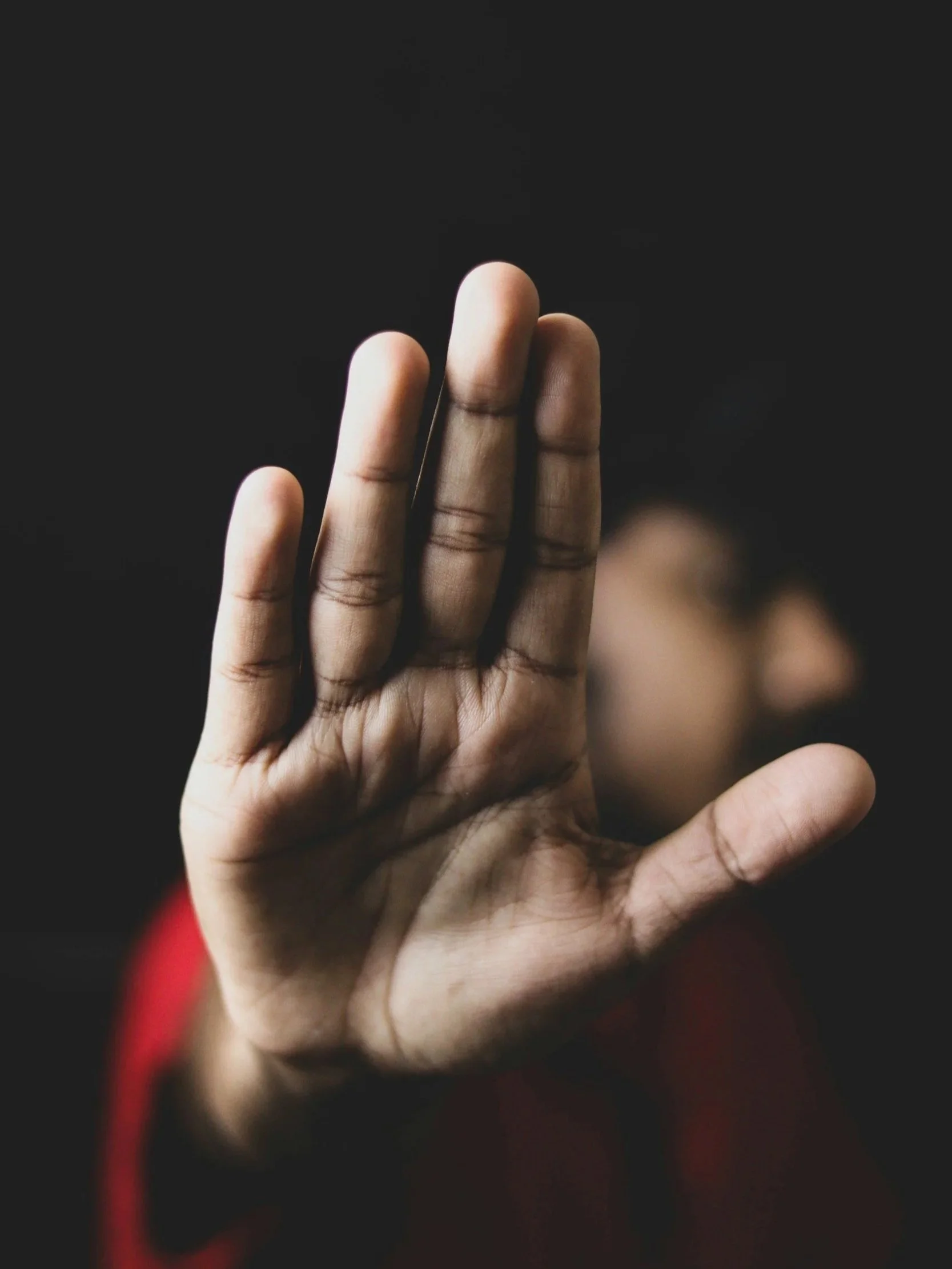
That feeling of I’m not enough can show up in a lot of ways.
Maybe you’re comparing yourself to someone else. Maybe you’re comparing yourself to a version of yourself from five years ago. Maybe you’re scrolling through social media and suddenly deciding that everyone else has figured out how to have a career, a family, a clean house, and somehow never wear yesterday’s leggings.
Listen to the Episode Now
If this post resonates with you or makes you feel something, share it with a friend! My hope is that we can keep this important conversation going long after the post is over.
And suddenly, you’re behind.
It’s easy to write that feeling off as insecurity or low self-esteem. Sometimes it is. But there can be a lot more underneath it.
In this episode, we’re getting curious about what not feeling enough is actually telling you. Sometimes what you’re jealous of isn’t really the person, their body, their career, or their life. It might be the ease, confidence, connection, pride, or freedom you think they have.
And when we don’t stop to figure that out, those feelings can get redirected into something else. For some people, that might mean restriction, bingeing, purging, compulsive exercise, or constantly promising that tomorrow will be the day they finally get it together.
Spoiler: “My diet starts Monday” is not exactly a comprehensive life plan.
We’re looking at what happens when that urgency to finally feel “good enough” gets tangled up with eating disorder behaviors, and why getting curious about what you actually want can tell you a lot more than simply trying to shut the thought down.
In this episode, I’m talking about:
Why feeling “not enough” can be different from general insecurity or low self-esteem
How comparison can point you toward something you actually want or need
Why the urgency to feel “good enough” can become so consuming
How feelings of insecurity and inadequacy can show up through eating disorder behaviors
Why restriction can create a temporary sense of being “good enough”
How bingeing can provide temporary relief from difficult feelings
How purging, fasting, and compulsive exercise can become ways of trying to get rid of uncomfortable feelings
Why the “my diet starts tomorrow” cycle can keep feelings of inadequacy going
How to tell the difference between wanting to make a change and pursuing that change in a way that starts costing you too much
Why it matters to look at what a goal is actually costing you
How comparison can reveal that what you really want is something like ease, connection, pride, trust, or permission to not have everything together
Why you can’t diet or restrict your way into those things
How getting specific about what you feel you’re missing can give you useful information about what you want to build in your life
Why curiosity can be more useful than immediately trying to convince yourself that everything is fine
Quotes
"One passing thought or even a variety of passing thoughts isn't a verdict on you."
"This is like an urgency to it, and it's sort of like an urgency with this energy that has nowhere to go."
"Jealousy or comparing or noticing something that you lack, that's all information in the direction that you would like to go, whether it's conscious or not."
"A lot of people pursue restriction in the effort to feel like they have been good or good enough for the day."
"In some senses, purging, fasting, and exercise is a way to get rid of the feeling like I'm too much, which ironically is kind of the same thing as not feeling enough."
"The promise to be better and then not following up on it is just sort of another manifestation of chronic insecurity, not feeling good enough."
"The biggest question is what it's actually costing you and whether that cost matches what you say you want."
"Once you name it, you'll notice it's not really about that other person, it's not really about you, and it's not even about not being enough. It's about the thing that you don't have."
"I think that there is a lot of utility in being curious about what is the area in particular that I don't feel good enough, that I feel insecure, because that lets us know where we can actually make movement as opposed to just staying with affirmations stuck to our mirror that might not resonate."
Frequently Asked Questions
1. Why do I always feel like I’m not good enough?
Feeling “not good enough” can show up when you compare yourself to other people, a previous version of yourself, or the expectations you have for your life. The important question is what specifically feels lacking. Getting curious about that can help you identify what you actually want or need instead of simply criticizing yourself.
2. How does low self-esteem affect eating disorders?
Low self-esteem and feelings of inadequacy can become connected with eating disorder behaviors. The episode explores how the urge to feel “good enough” can sometimes get redirected into restriction, bingeing, purging, fasting, or compulsive exercise. These behaviors may provide temporary relief from difficult feelings without addressing what is underneath them.
3. Why do I compare myself to other people?
Comparison can sometimes point to something you want or feel you are missing. Instead of stopping at “I wish I were like her,” the episode encourages getting specific about what you are actually noticing, such as ease, confidence, connection, pride, or more room to breathe.
4. Can feeling insecure lead to disordered eating?
It can be one way difficult feelings get redirected into eating disorder behaviors. The episode discusses how restriction, bingeing, purging, fasting, and compulsive exercise can sometimes function as ways to manage or escape feelings of insecurity, inadequacy, or being “too much.”
5. Why do I feel like I need to change my body to feel good enough?
Sometimes the desire to change your body becomes tied to a deeper belief that reaching a certain size, weight, or appearance will finally make you feel good enough. The episode challenges that connection by asking what you are actually hoping to gain from the change and what pursuing it may be costing you.
6. Is wanting to improve myself a bad thing?
No. The episode makes an important distinction between wanting something different for yourself and becoming consumed by the belief that you have to change in order to be enough. Wanting to improve can provide useful information. The bigger question is whether the cost of pursuing that goal matches what you actually want from your life.
7. How can I stop feeling like I’m not enough?
Rather than immediately trying to silence the thought, start by getting specific. Ask yourself what you believe another person, an earlier version of yourself, or an “ideal” version of you has that you want. It might be ease, connection, confidence, pride, trust, or something else. Once you identify it, you can begin thinking about how to build that thing in your own life.
Resources
Sign up for my upcoming webinar: Foundations of Eating Disorder Treatment
Be sure to sign up for my weekly newsletter!
Brave on Purpose! - Grab my new book here!
Looking for a speaker for an upcoming event? Let’s chat!
Now accepting new clients! Find out if we're a good fit!
Related Episodes
Episode 211: The 2 Fears Running Your Eating Disorder (And Why They Contradict Each Other)
Episode 198: People Pleasing and Eating Disorders
Newsletter update: If you’re not already signed up for my newsletter, then I’m not sure what you’re waiting for! I’m ✨obsessed ✨ with it. In an effort to keep things fun and fresh, we’re going to monthly newsletters rather than weekly. If you have any feedback on what you want to see in the newsletters, reply back to one or send me a message!
Grab my FREEBIE!: As you navigate recovery, you may be feeling like something is missing. You're doing a lot of work challenging yourself with the food, your body, and exercise. You're probably working on lots of other things at the same time, like stuff at work or relationship issues.
But, still, something doesn't feel like you're getting to the bottom of it. Grab my free journal prompts below and begin to work through the emotions of healing.

More From Rachelle
Hey there! I’m Rachelle, the host of the Understanding Disordered Eating Podcast. As a Licensed Mental Health Counselor, I work with clients to make sense of life’s messy emotional experiences.
I believe in the power of deep work and its positive impact on your life in the long term. Learn more about how we can work together here.
Sign up for my weekly newsletter for even more!
You can connect with me on Instagram, through my website or email me directly clicking the links below.
Subscribe & Leave A Review!
If you enjoyed this episode, you can show your support by leaving a review, subscribing, or sharing with someone who may need help. Click here to open this show in iTunes and leave a five star rating and review.