
The Trauma Behind the Eating Disorder Symptoms with Heather Ferguson, LCSW
Trauma gets talked about a lot in eating disorder treatment.
Trauma-informed care, trauma work, processing trauma... at this point, the words can start to feel like something we all nod along to without actually stopping to ask what we mean by them.
Listen to the Episode Now
If this post resonates with you or makes you feel something, share it with a friend! My hope is that we can keep this important conversation going long after the post is over.
In this episode, Heather Ferguson is back, and we’re taking that conversation a whole lot deeper. We’re talking about what happens when we slow down enough to pay attention to what’s happening in the body, how trauma can show up when someone doesn’t have the words to explain what they’re experiencing, and why recognizing the connection between trauma and an eating disorder doesn’t automatically tell us how to support someone through healing.
We get into the practical side of this work, including how clinicians can follow sensations, emotions, and protective responses without turning the session into an interrogation. We also talk about the places where clients can feel stuck, especially around body image, and how bringing the body into the conversation can help create movement when intellectual understanding has taken them as far as it can.
And we talk about something I think is especially important: what the eating disorder may have been doing for someone. Those behaviors can be incredibly effective at helping a person cope, regulate, numb, control, or feel some sense of autonomy. Understanding that history can change the way we approach the work, especially when shame is already doing plenty of damage on its own.
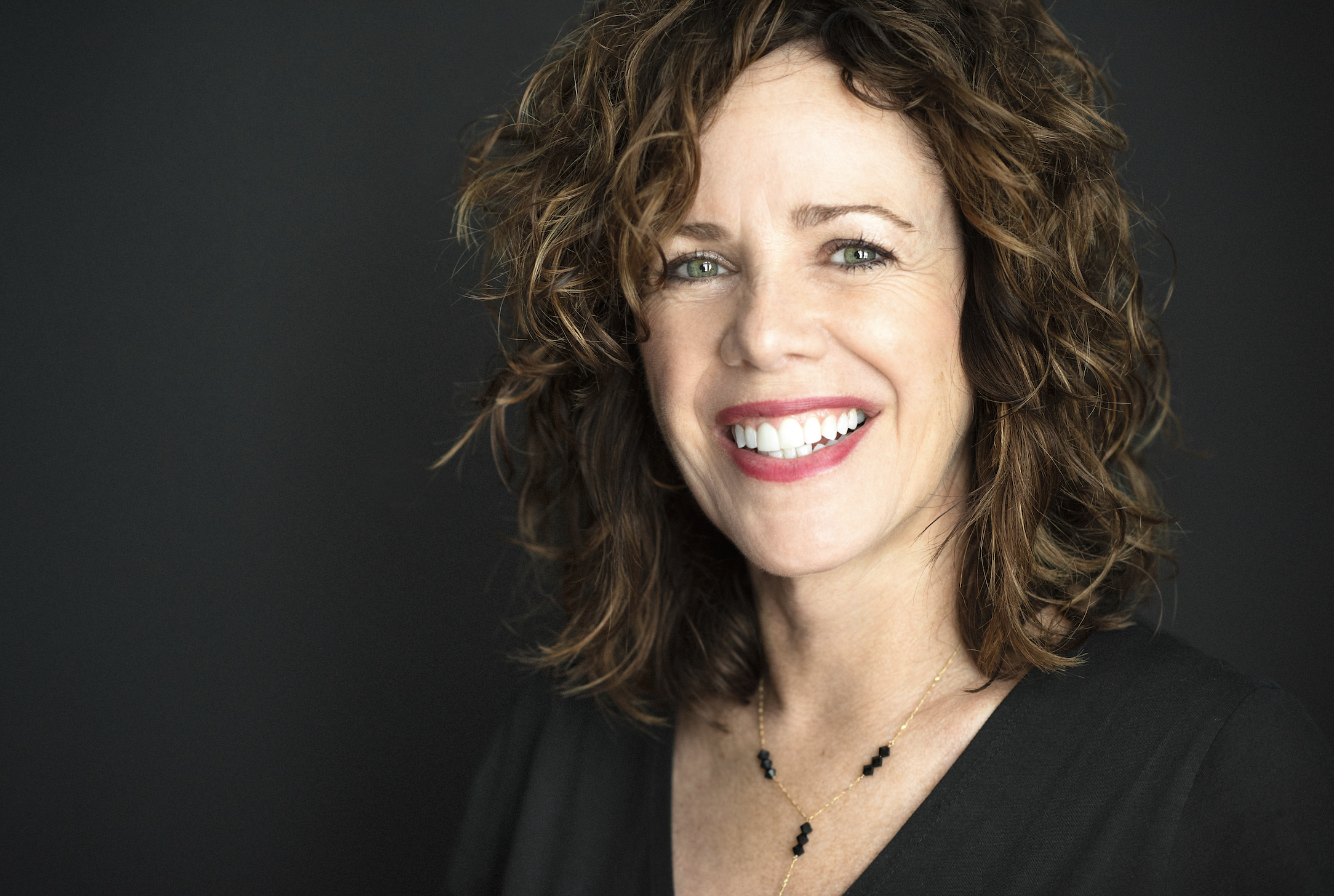
Heather Ferguson, LCSW, is a psychoanalyst, faculty member, and supervisor at the Institute for the Psychoanalytic Study of Subjectivity and the National Institute for the Psychotherapies. As a certified hypnotherapist and EMDR practitioner, she incorporates embodied techniques into her psychoanalytic work. She writes about eating disorder treatment, the role of intergenerational trauma transmission, and how embodied techniques can deepen psychotherapeutic engagement. Heather is co-editing a forthcoming book with Susan Klebanoff entitled Revisiting Ferenczi’s Unwelcome Child in Turbulent Times. She maintains a private practice in New York City.
In this episode, we’re talking about:
What trauma-informed care actually means in eating disorder treatment.
The difference between understanding trauma and actively doing trauma work.
How paying attention to the body can help when words or emotional awareness aren’t readily available.
What to do when a client feels stuck even though they intellectually understand their history.
How emotions, body sensations, and protective responses can form a sequence that connects to eating disorder behaviors.
Understanding eating disorder behaviors as coping strategies that once served an important purpose.
How reducing shame and developing compassion can change the way we approach those behaviors.
Using the therapist’s own emotional and physical responses as information in the therapeutic relationship.
The role of relational risk-taking and creating new experiences with other people.
What it means when being in your body doesn’t feel safe.
Why empathy and staying close to the client’s lived experience need to come before challenging deeply held beliefs.
There’s a lot packed into this conversation, and honestly, I could have kept asking questions for another hour.
Quotes
“So many of our patients are in that hypoarousal, more dissociated, collapsed state with disordered eating, particularly those that are really disordered and are maybe underfed, that their sort of neocortex is not online, that their thinking brain is not fed enough, and they are kind of shut down.” - Heather Ferguson
“I think helping patients learn the sequence of what happens; An emotion, a feeling state, a sensation and maybe their own protective defenses that may be the shutdown neurobiologists talk about the dorsal response, the collapse.” - Heather Ferguson
“And I should say that I also use my body as information.” - Heather Ferguson
“We have mirror neurons, right? We map empathically, and we often imagine and feel with our patients.” - Heather Ferguson
“EMDR is not magical; it's just intense.” - Heather Ferguson
“And I think to sort of indicate how it's ingenious, how there's so much shame and you know this.” - Heather Ferguson
“Let's not forget. We don't have to always fix it.” - Heather Ferguson
“Everyone doesn't walk around with equal freedom and safety in their bodies.” - Heather Ferguson
“There’s two versions of the stuckness. There’s the person who stays in this almost intellectual place of, ‘This is the body that I want. This is the body that I don’t have.’ And there’s no amount of work or talking about it that’s going to change that. Then there’s a different version of stuck. They’ve identified their associations with poor body image. They understand how their history connects here, and then they’re like, ‘Okay, we’ve talked about it.’ And they’re still stuck.” - Rachelle Heinemann
Frequently Asked Questions
1. Can trauma cause an eating disorder?
Trauma can be a significant risk factor for developing an eating disorder, although there isn’t always a simple cause-and-effect relationship. Trauma can influence emotions, body image, self-esteem, and coping, and eating disorder behaviors may become a way of managing experiences that feel overwhelming.
2. What is the connection between trauma and eating disorders?
Trauma and eating disorders can become closely intertwined. Eating disorder behaviors may temporarily help someone numb, avoid, control, or cope with difficult thoughts and feelings. Over time, those behaviors can become part of the cycle that keeps both the distress and the eating disorder going.
3. Can an eating disorder be a coping mechanism?
Yes. Eating disorder behaviors can serve a purpose for someone, even when those behaviors are harmful. Restriction, bingeing, purging, or other behaviors may provide temporary relief from anxiety, difficult emotions, shame, or a sense of being out of control. Understanding what a behavior is doing for someone can be an important part of treatment.
4. How does trauma affect body image?
Trauma can affect the way someone experiences and relates to their body. For some people, body dissatisfaction, shame, or attempts to change or control their body can become connected to difficult experiences. Body image can also be influenced by lots of other factors like social expectations and other lived experiences.
5. What is trauma-informed eating disorder treatment?
Trauma-informed treatment considers a person’s history and the ways trauma may influence their thoughts, emotions, behaviors, and relationship with their body. It means creating space for that history without assuming every eating disorder has the same origin or that every client needs the exact same treatment approach.
6. Can you treat trauma and an eating disorder at the same time?
Yes, trauma and eating disorders can be addressed through an integrated treatment approach. The timing and approach matter, especially when someone is actively struggling with eating disorder behaviors or is medically compromised. Treatment needs to be mindful not to trauma work before they’re ready.
7. Why is body awareness important in eating disorder recovery?
Learning to notice sensations, emotions, and physical responses can help someone better understand what is happening internally and how that connects with their behaviors. For some people, this creates a bridge between intellectually knowing something and actually experiencing it in their body, which can be an important part of the therapeutic process.
Resources
Heather Ferguson’s Website: www.heatherfergusonlcsw.com
Be sure to sign up for my weekly newsletter!
Brave on Purpose! - Grab my new book here!
Looking for a speaker for an upcoming event? Let’s chat!
Now accepting new clients! Find out if we're a good fit!
Related Episodes/Episodes Mentioned
Episode 57. The Connection Between Trauma and Eating Disorders with Heather Ferguson, LCSW
Newsletter update: If you’re not already signed up for my newsletter, then I’m not sure what you’re waiting for! I’m ✨obsessed ✨ with it. In an effort to keep things fun and fresh, we’re going to monthly newsletters rather than weekly. If you have any feedback on what you want to see in the newsletters, reply back to one or send me a message!
Grab my FREEBIE!: As you navigate recovery, you may be feeling like something is missing. You're doing a lot of work challenging yourself with the food, your body, and exercise. You're probably working on lots of other things at the same time, like stuff at work or relationship issues.
But, still, something doesn't feel like you're getting to the bottom of it. Grab my free journal prompts below and begin to work through the emotions of healing.

More From Rachelle
Hey there! I’m Rachelle, the host of the Understanding Disordered Eating Podcast. As a Licensed Mental Health Counselor, I work with clients to make sense of life’s messy emotional experiences.
I believe in the power of deep work and its positive impact on your life in the long term. Learn more about how we can work together here.
Sign up for my weekly newsletter for even more!
You can connect with me on Instagram, through my website or email me directly clicking the links below.
Subscribe & Leave A Review!
If you enjoyed this episode, you can show your support by leaving a review, subscribing, or sharing with someone who may need help. Click here to open this show in iTunes and leave a five star rating and review.