
What To Do When Treatment Feels Stuck (For Clinicians) with Jack Heinemann, LCSW-R, BCD
You’ve learned how to do therapy.
You know how to build rapport, assess, diagnose, and intervene. Most days, you feel solid about your clinical work. And then there are the cases that quietly undo your confidence.
Listen to the Episode Now
If this post resonates with you or makes you feel something, share it with a friend! My hope is that we can keep this important conversation going long after the post is over.
The client with body image distress that doesn’t shift, no matter how thoughtful or consistent the work is.
The client with chronic low self-esteem who understands their patterns but remains unchanged.
The client whose sessions feel emotionally charged, confusing, or oddly draining.
The client whose relational struggles repeat despite insight, motivation, and good intentions.
The client bringing existential, moral, or identity questions that don’t fit neatly into any model you were trained in.
These are not failures of technique.
They’re the cases that don’t respond to technique alone.
In this episode of Understanding Disordered Eating, I’m joined by Jack Heinemann for a live, supervision-style conversation that explores what’s often happening beneath the surface when therapists feel stuck. Rather than focusing on what to say or do next, we slow the work down and examine how unconscious relational patterns quietly organize the therapy relationship itself, shaping both the client’s experience and the clinician’s emotional response, often without either person realizing it.
This episode isn’t about quick techniques or the perfect intervention. It’s about learning how to think differently.
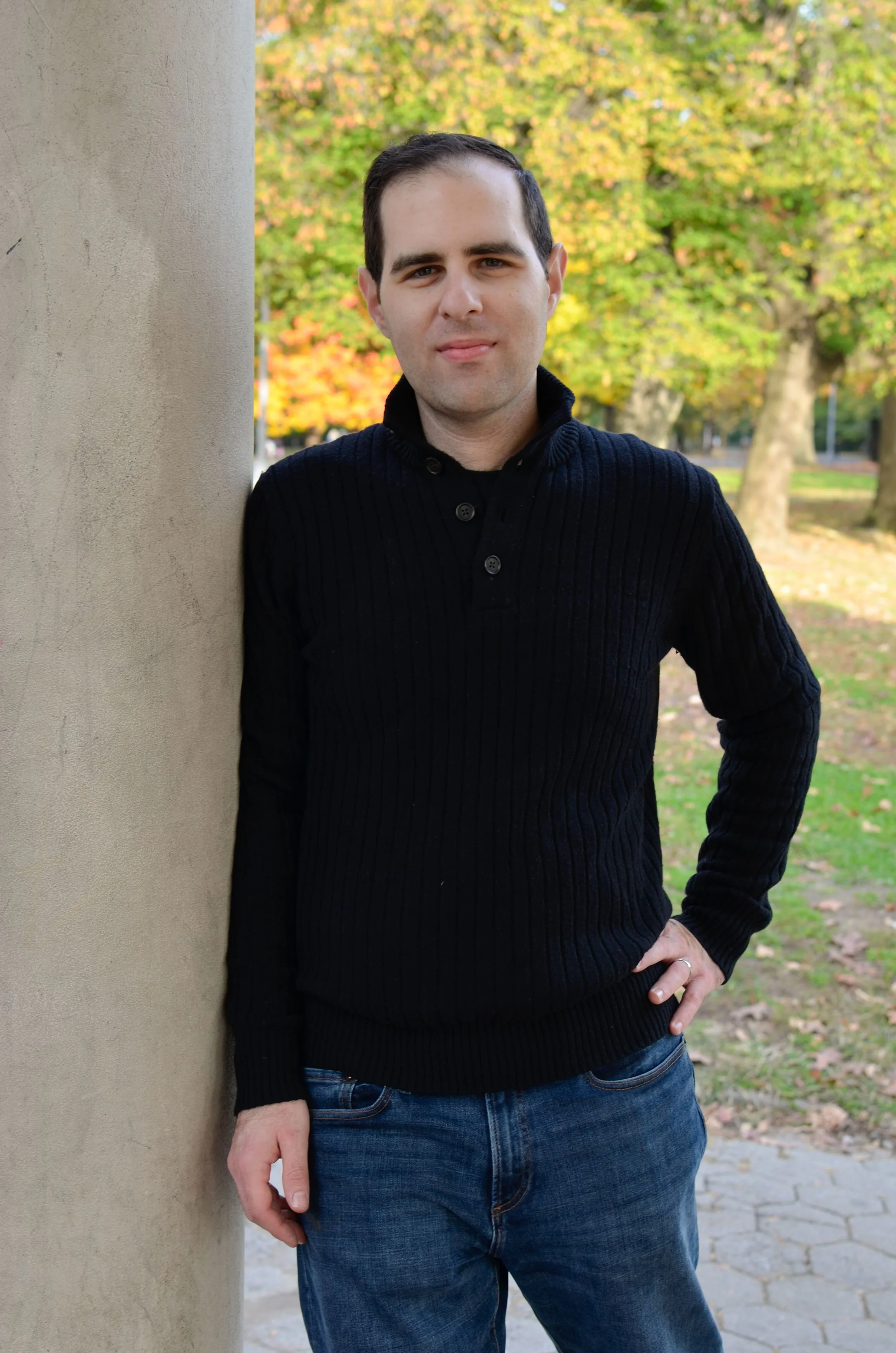
Jack Heinemann, LCSW-R, BCD, is a psychotherapist, psychoanalyst, and clinical supervisor based in Bergen County. He specializes in working with individuals and couples navigating complex emotional, relational, and existential challenges, helping clients uncover the deeper patterns of thought and feeling that shape their lives. Jack completed postgraduate training in psychoanalytic psychotherapy and psychoanalysis at The Training Institute for Mental Health in New York City and earned his graduate degree from Fordham University. In addition to his clinical practice, he serves as a teacher and supervisor at the Training Institute, where he trains graduate students and early-career clinicians in advanced case formulation and treatment.
If you’ve ever left a session thinking, “I think something important is happening here, but I don’t quite know how to work with it,” this episode is for you.
In this episode, we’re talking about:
Why feeling “stuck” with a client is often a relational signal, not a clinical failure.
How repetitive complaints about food, body, work, or relationships can reflect a deeper interpersonal pattern.
What’s really happening when clients crowd out the therapist and leave no room for intervention.
How frustration, helplessness, or irritation in the therapist can be meaningful clinical information.
The role of unconscious agendas and transference in maintaining stuck dynamics.
When empathy alone is no longer enough and how to gently shift the work without confrontation.
How bringing the here-and-now of the therapy relationship into focus can unlock change.
Why insight isn’t just intellectual understanding, but an emotional and relational “click”.
How increased awareness creates agency and flexibility in clients’ relationships outside the room.
What makes depth-oriented thinking useful for clinicians of any therapeutic orientation.
How case consultation can restore confidence, creativity, and a sense of direction in complex work.
Tweetable Quotes
“When we're playing things out without realizing it, it's not subject to our conscious control. But once we become aware of it and we're able to, with the help of a really good therapist [like you], we're able to gain some distance from this pattern in terms of how much we want in our lives. It becomes subject to change and control.” - Jack Heinemann
“As therapists, we want to help people. We want to help them change. Having said that, sometimes there's a kind of ulterior motive, or an unconscious agenda, that's not really related to the thing that they're talking about.” - Jack Heinemann
“What becomes pertinent and salient is the frustration that this person in my life is supposed to help me, but is not helping me.” - Jack Heinemann
“There's this kind of unconscious pull, you're supposed to help me fix this, and you're not fixing it.” - Jack Heinemann
“Freud said that we can't change things until they become conscious.” - Jack Heinemann
Resources
Group Training for Clinicians, led by Jack Heinemann.
Details:
• 6 weekly sessions (75 minutes each)
• Thursdays at 12pm EST
• Begins 2/12
• $85 per session
• Limited spots
Looking for more information? Email jack@jackheinemanntherapy.com or info@bergenmentalhealthgroup.com
Looking for a speaker for an upcoming event? Let’s chat!
Now accepting new clients! Find out if we're a good fit!
LEAVE A REVIEW + help someone who may need this podcast by sharing this episode.
Be sure to sign up for my weekly newsletter here!
You can connect with me on Instagram @rachelleheinemann, through my website www.rachelleheinemann.com, or email me directly at rachelle@rachelleheinemann.com
Related Episodes
Episode 36. The Inner Workings of Therapy with Jack Heinemann, LCSW-R
Episode 97. How to Handle the Hardest Situations (Clinician Series)
Newsletter update: If you’re not already signed up for my newsletter, then I’m not sure what you’re waiting for! I’m ✨obsessed ✨ with it. In an effort to keep things fun and fresh, we’re going to monthly newsletters rather than weekly. If you have any feedback on what you want to see in the newsletters, reply back to one or send me a message!
Grab my FREEBIE!: As you navigate recovery, you may be feeling like something is missing. You're doing a lot of work challenging yourself with the food, your body, and exercise. You're probably working on lots of other things at the same time, like stuff at work or relationship issues.
But, still, something doesn't feel like you're getting to the bottom of it. Grab my free journal prompts below and begin to work through the emotions of healing.

More From Rachelle
Hey there! I’m Rachelle, the host of the Understanding Disordered Eating Podcast. As a Licensed Mental Health Counselor, I work with clients to make sense of life’s messy emotional experiences.
I believe in the power of deep work and its positive impact on your life in the long term. Learn more about how we can work together here.
Sign up for my weekly newsletter for even more!
You can connect with me on Instagram, through my website or email me directly clicking the links below.
Subscribe & Leave A Review!
If you enjoyed this episode, you can show your support by leaving a review, subscribing, or sharing with someone who may need help. Click here to open this show in iTunes and leave a five star rating and review.