
The Eating Disorder Nobody Takes Seriously
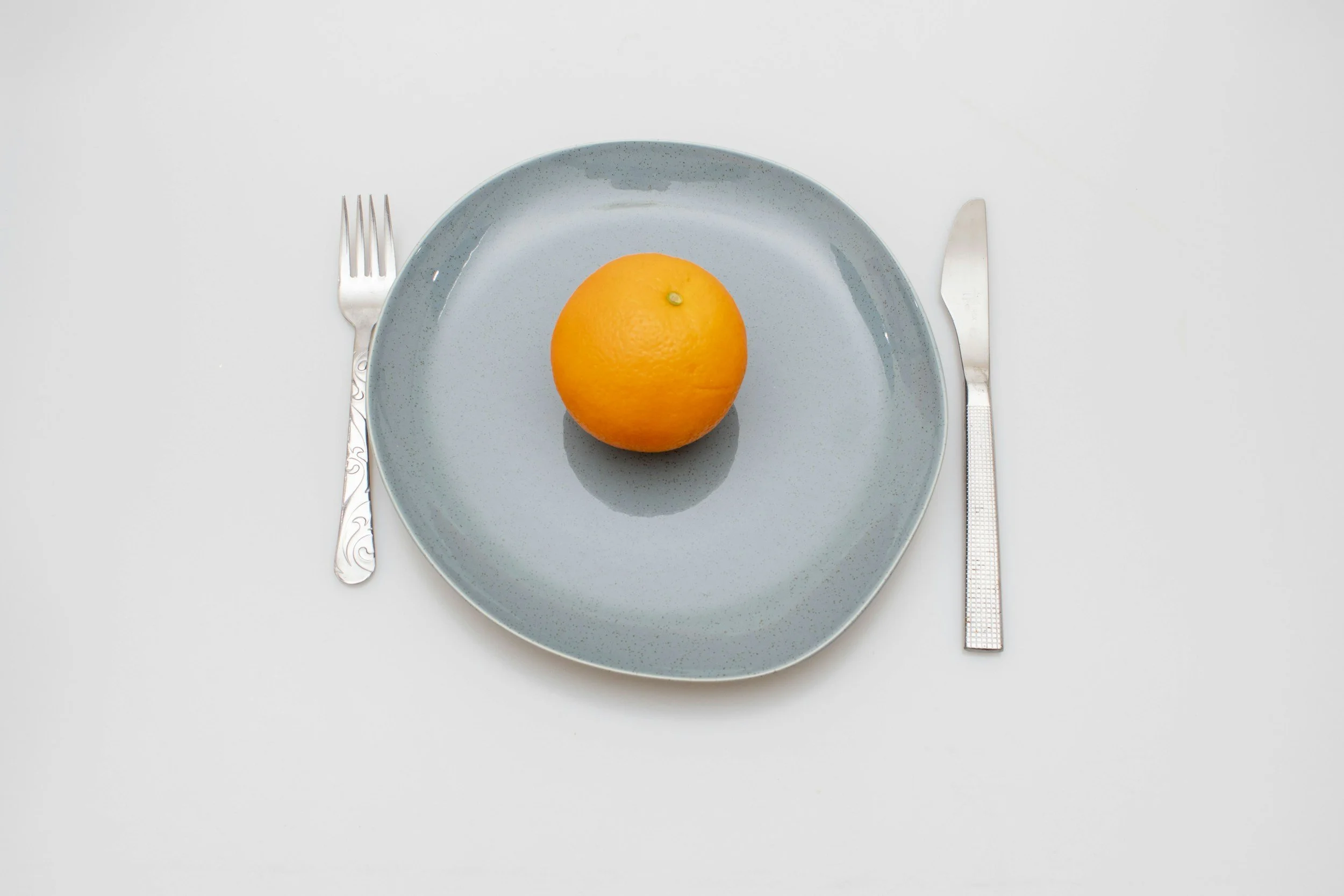
There are some eating disorders that people recognize immediately.
Then there are the ones that get applauded.
Listen to the Episode Now
If this post resonates with you or makes you feel something, share it with a friend! My hope is that we can keep this important conversation going long after the post is over.
The early morning workouts. The perfectly planned meals. The "I wish I had your discipline" comments. From the outside, it looks like someone who has it all together. Inside, it can feel like living by a set of rules you didn't actually choose.
That's what makes orthorexia so difficult. The behaviors often look healthy, so the struggle gets overlooked. Sometimes it's even encouraged.
In this episode, I'm talking about why orthorexia is one of the most misunderstood eating disorders, how wellness culture can quietly reinforce it, and why the biggest warning sign has very little to do with what's actually on your plate.
Because when grabbing pizza with friends feels mentally exhausting, that's worth paying attention to.
In this episode, I'm talking about:
Why orthorexia is one of the least recognized eating disorders despite how common it can be.
Why people with orthorexia are often praised instead of supported.
The difference between making healthy choices and feeling like you have no choice at all.
How guilt, anxiety, and obsessive thinking become the real problem, not the food itself.
Why the issue isn't whether movement or certain foods are healthy. It's whether the rules control your life.
How wellness culture eating disorder behaviors.
Why orthorexia is harder to recognize than many other eating disorders.
The hidden mental health cost of rigid food and exercise rules.
Why cutting back on exercise or increasing your food alone doesn't automatically lead to recovery.
Why flexibility matters more than perfection.
How structured eating creates a foundation for recovery.
Why food exposure isn't about eating pizza or cookies. It's about breaking the rules that have taken over your life.
How fear foods keep anxiety alive, even if your body doesn't physically need those foods.
The deeper emotional patterns that can fuel orthorexia, including perfectionism, fear of judgment, and the need for certainty.
Why your relationship with your own wants, needs, and opinions may play a role in recovery.
How past experiences can shape the need to control food and movement.
The biggest sign that something is wrong isn't what you eat. It's what happens emotionally when you can't follow the rules.
Why you don't have to be underweight or medically unwell for your struggle to be real.
If you've ever wondered where healthy habits end and rigid rules begin, this conversation will give you a completely different way of looking at it.
Quotes
"The biggest problem isn't what you're eating. It's what happens when you can't follow the rule."
"A life controlled by food rules is still a life controlled by rules."
"Perfection can become a shield that keeps you trapped."
"Movement can absolutely be good for you. The problem starts when you can't stop. When you can't take a rest day, skip a workout, or change your plans without feeling like everything is falling apart."
"You don't have to be physically falling apart for your eating disorder to matter. The amount of mental energy spent calculating, avoiding, planning, and worrying is reason enough to take it seriously."
"When everyone around you calls your eating disorder discipline, you're fighting more than the disorder itself. You're also fighting a culture that keeps telling you you're doing everything right."
"The question isn't whether movement or certain foods are healthy. The question is whether your relationship with them leaves room for flexibility, rest, and actually living your life."
"Perfectionism can feel protective. If you do everything exactly right, maybe no one can criticize you. Maybe no one can decide you're not enough. The problem is that eventually those rules start controlling you."
"Sometimes the goal isn't eating a different food. Sometimes the goal is proving to yourself that you can break a rule and still be okay."
"If going out for pizza takes more emotional energy than almost anything else in your week, that's worth paying attention to. The problem isn't the pizza. It's what the pizza represents."
Frequently Asked Questions
What is orthorexia?
Orthorexia is an eating disorder that's centered around an unhealthy obsession with eating "healthy" or "clean." The food itself isn't the biggest issue. The problem is when your life becomes controlled by rigid food rules, anxiety around eating, and the fear of doing something "wrong." While orthorexia isn't currently a standalone diagnosis in the DSM-5, it is widely recognized by eating disorder professionals as a very real and serious condition.
How do I know if healthy eating has become an eating disorder?
A healthy habit becomes concerning when it no longer feels like a choice. If skipping a workout fills you with guilt, eating at a restaurant causes intense anxiety, or your food rules make it difficult to enjoy everyday life, it may be more than simply wanting to eat well. The biggest sign isn't what you're eating. It's how much control the rules have over you.
What is the difference between orthorexia and anorexia?
Both are restrictive eating disorders, but they often focus on different goals. Anorexia is typically driven by weight, body size, or fear of weight gain. Orthorexia focuses on the quality or purity of food and following strict health rules. That said, the two can overlap, and both deserve treatment and support.
Can exercise addiction be part of an eating disorder?
Yes. Exercise becomes a concern when it feels impossible to take a day off or change your routine without overwhelming guilt or anxiety. It's less about how often you work out and more about your relationship with movement. If exercise starts controlling your schedule, mood, or decisions, it's worth paying attention to.
Why is orthorexia so difficult to recognize?
Orthorexia often looks like healthy living from the outside. People may compliment someone's discipline, dedication, or healthy lifestyle without realizing those behaviors are driven by fear and rigid rules. Because the behaviors are frequently praised, many people struggle for years before recognizing there's a problem.
Can you recover from orthorexia?
Yes. Recovery is possible. Treatment often includes creating more structure around eating, gradually challenging rigid food rules, and exploring the deeper patterns that keep those rules in place. The goal isn't to stop caring about your health. It's to build a relationship with food and movement that includes flexibility instead of fear.
Do you have to be underweight to have an eating disorder?
No. People of every body size can have an eating disorder. You don't have to look sick for your struggle to be real. If food, exercise, or body image are taking over your thoughts, relationships, or daily life, you deserve support regardless of your weight.
Resources
Be sure to sign up for my weekly newsletter!
Brave on Purpose! - Grab my new book here!
Looking for a speaker for an upcoming event? Let’s chat!
Now accepting new clients! Find out if we're a good fit!
Related Episodes
Episode 62. Perfectionism and Disordered Eating with Colby Golder, RD
Episode 32. Is this Recovery or Orthorexia? with Dr. Lara Zibarras
Episode 17. The OG Intuitive Eating Author: Elyse Resch, MS, RDN, CEDRD-S, Fiaedp, FADA, FAND
Newsletter update: If you’re not already signed up for my newsletter, then I’m not sure what you’re waiting for! I’m ✨obsessed ✨ with it. In an effort to keep things fun and fresh, we’re going to monthly newsletters rather than weekly. If you have any feedback on what you want to see in the newsletters, reply back to one or send me a message!
Grab my FREEBIE!: As you navigate recovery, you may be feeling like something is missing. You're doing a lot of work challenging yourself with the food, your body, and exercise. You're probably working on lots of other things at the same time, like stuff at work or relationship issues.
But, still, something doesn't feel like you're getting to the bottom of it. Grab my free journal prompts below and begin to work through the emotions of healing.
More From Rachelle
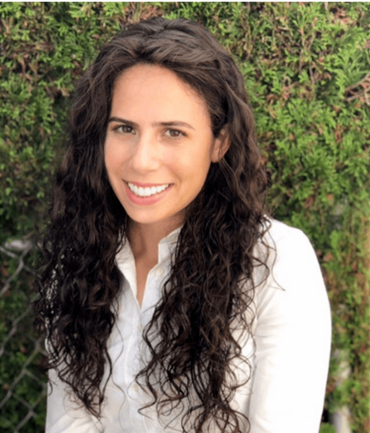
Hey there! I’m Rachelle, the host of the Understanding Disordered Eating Podcast. As a Licensed Mental Health Counselor, I work with clients to make sense of life’s messy emotional experiences.
I believe in the power of deep work and its positive impact on your life in the long term. Learn more about how we can work together here.
Sign up for my weekly newsletter for even more!
You can connect with me on Instagram, through my website or email me directly clicking the links below.
Subscribe & Leave A Review!
If you enjoyed this episode, you can show your support by leaving a review, subscribing, or sharing with someone who may need help. Click here to open this show in iTunes and leave a five star rating and review.