
The 2 Fears Running Your Eating Disorder (And Why They Contradict Each Other)

Have you ever caught yourself thinking, I just want a normal life...
and then five minutes later wondering why nobody seems to notice how hard you're working or what you're actually capable of?
Listen to the Episode Now
If this post resonates with you or makes you feel something, share it with a friend! My hope is that we can keep this important conversation going long after the post is over.
Yeah. Our brains are nothing if committed to keeping things interesting.
We tend to think that wanting to stand out and wanting to blend in are complete opposites. Like you have to pick one. Be ambitious or be content. Be noticed or be safe. But what if those two desires have been living side by side this whole time? And what if your relationship with food has quietly become the place where both of them get played out?
In this episode, we're digging into the tension between wanting to be exceptional and wanting to be ordinary. We talk about why "normal" doesn't always mean what you think it does, how your eating disorder may be protecting you from desires that feel too risky to admit, and why feeling stuck often has nothing to do with food itself.
In this episode, I'm talking about:
Why it's possible to want to be exceptional and ordinary at the same time.
How the meaning of "normal" changes depending on the situation.
Why ordinary can feel peaceful one moment and terrifying the next.
The hidden fears underneath wanting to be seen and wanting to blend in.
How eating disorders become the place where these conflicting desires get expressed.
The "I'm better because..." mindset and why it exists across different eating disorders.
Why pursuing excellence through food and body can feel safer than admitting what you really want.
How the exact same eating disorder behaviors can serve completely different purposes for different people.
Why shrinking yourself can sometimes be about becoming more visible and other times about disappearing.
How controlling food can become an attempt to create stability when life feels chaotic.
Why restriction often creates the very chaos you're trying to escape.
How the push and pull between wanting safety and wanting recognition keeps people feeling stuck.
The belief that standing out means you won't belong, and how that belief develops.
Why being frozen isn't the same as being safe.
How it's possible to be ambitious, connected, grounded, and genuinely seen without your eating disorder carrying those desires for you.
Reflection questions to help uncover what your eating disorder has been trying to manage beneath the surface.
If you've ever felt like you're constantly being pulled in two completely different directions and couldn't explain why, this conversation will probably connect a few dots you didn't even realize were there.
Quotes
"When average means stability, you want it. Of course, who wouldn't? When average means invisible, then we're terrified of it."
"I'm exceptional because of my relationship to my body, my food, what I do with my food and my body."
"Restriction tends to create the chaos that you're trying to avoid."
"The eating disorder isn't just expressing the desires. It's actually protecting you from the risk of wanting them directly, admitting them directly."
"The eating disorder keeps both desires alive, but completely frozen. Being frozen is not the same thing as being safe."
"People can be exceptional and connected. People can be seen and feel safe. People can be ambitious and stable, and the either/or isn't in the wanting, it's what you learned at some point, the wanting could cost you."
Frequently Asked Questions
Why do I want to be successful and invisible at the same time?
It sounds contradictory, but it's actually incredibly common. Part of you wants to be seen, recognized, and appreciated for what you're capable of. Another part of you wants life to feel quiet, predictable, and safe. Those aren't opposite desires. They just become confusing when your brain starts believing that being noticed will cost you your sense of belonging or security. Recovery often means learning that you don't have to choose one or the other.
Why does my eating disorder make me feel special?
For many people, an eating disorder becomes a place to measure worth. It creates an internal story that says, "I'm better because..." Maybe it's because you're more disciplined, more controlled, healthier, stronger, or more committed than everyone else. The specific behavior looks different for everyone, but underneath it often serves the same purpose. It gives you a way to feel valuable without having to ask directly for recognition or validation.
Why do I want to be normal but also stand out?
The word "normal" doesn't always mean the same thing. Sometimes normal means peaceful, stable, and free from constant anxiety. Other times it feels like disappearing into the background and not mattering. That's why you can crave an ordinary life one minute and desperately want to be exceptional the next. You're responding to two completely different meanings of the same word.
Why does controlling food make me feel safer?
Food often becomes something that feels manageable when everything else feels uncertain. It can create the illusion of stability during stressful or chaotic seasons of life. The problem is that while food rules may offer temporary relief, they rarely create the lasting sense of safety you're actually looking for. They often end up creating even more chaos over time.
Can the same eating disorder behaviors mean different things for different people?
Absolutely. Two people can engage in the exact same behavior for completely different reasons. One person may be trying to become more visible, hoping they'll finally be noticed or praised. Someone else may be trying to disappear, feel less exposed, or protect themselves from unwanted attention. The behavior might look the same on the outside, but the purpose underneath can be completely different.
Why does recovery make me feel stuck between two different versions of myself?
Recovery often asks you to let go of something that has been solving a problem, even if it wasn't solving it well. You may find yourself wanting a calmer, more grounded life while also worrying that you'll lose the parts of yourself that felt exceptional. Feeling pulled in both directions doesn't mean you're doing recovery wrong. It usually means you're starting to see the deeper beliefs your eating disorder has been carrying.
Can I be ambitious without letting my eating disorder define me?
Yes. Wanting to achieve something meaningful isn't the problem. The question is whether your worth depends on achieving it. You can be ambitious, driven, creative, and successful without using your relationship with food or your body as proof that you deserve to be seen. Recovery isn't about becoming less motivated. It's about separating your value from the way you've learned to measure it.
Resources
Be sure to sign up for my weekly newsletter!
Brave on Purpose! - Grab my new book here!
Looking for a speaker for an upcoming event? Let’s chat!
Now accepting new clients! Find out if we're a good fit!
Related Episodes
Episode 108. The 1 Thing That Affects Every Single Person with an ED
Episode 82. Secrets and Eating Disorders with Dr. Kathryn Zerbe
Newsletter update: If you’re not already signed up for my newsletter, then I’m not sure what you’re waiting for! I’m ✨obsessed ✨ with it. In an effort to keep things fun and fresh, we’re going to monthly newsletters rather than weekly. If you have any feedback on what you want to see in the newsletters, reply back to one or send me a message!
Grab my FREEBIE!: As you navigate recovery, you may be feeling like something is missing. You're doing a lot of work challenging yourself with the food, your body, and exercise. You're probably working on lots of other things at the same time, like stuff at work or relationship issues.
But, still, something doesn't feel like you're getting to the bottom of it. Grab my free journal prompts below and begin to work through the emotions of healing.
More From Rachelle
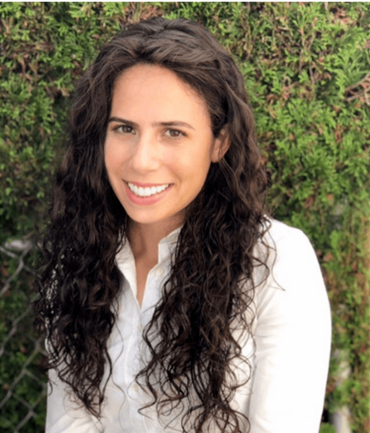
Hey there! I’m Rachelle, the host of the Understanding Disordered Eating Podcast. As a Licensed Mental Health Counselor, I work with clients to make sense of life’s messy emotional experiences.
I believe in the power of deep work and its positive impact on your life in the long term. Learn more about how we can work together here.
Sign up for my weekly newsletter for even more!
You can connect with me on Instagram, through my website or email me directly clicking the links below.
Subscribe & Leave A Review!
If you enjoyed this episode, you can show your support by leaving a review, subscribing, or sharing with someone who may need help. Click here to open this show in iTunes and leave a five star rating and review.