
There are certain things you assume medical professionals just know.
Like how to read labs, how to diagnose things, or how to tell you what’s going on with your body. But when it comes to eating, weight, and our relationship with food? There’s a lot more nuance than “you should probably lose some weight” and a BMI chart.
Listen to the Episode Now
If this post resonates with you or makes you feel something, share it with a friend! My hope is that we can keep this important conversation going long after the post is over.
And honestly, sometimes the advice someone gets from their doctor isn’t particularly helpful. Sometimes it’s something they already know. Sometimes it completely misses what’s actually going on. And sometimes, one seemingly harmless comment can stick in someone’s head for years.
In this episode, I’m talking about what I wish every medical practitioner understood about working with patients around food and weight. We’re getting into why asking questions before giving advice matters, why your patient probably already knows what they’re “supposed” to be doing, why weight advice can create shame instead of change, and why the way you deliver information can matter just as much as the information itself.
We’re also talking about BMI, weight neutrality, nutrition referrals, and the limits of what you can realistically understand about someone in a 10-minute appointment.
Because you might have the best intentions in the world. But that doesn’t mean your words can’t land differently than you intended.
In this episode, I’m talking about:
Why not everyone is the same, especially when it comes to food, weight, movement, and health.
Why medical practitioners should ask questions before giving advice about weight, food, or movement.
How assumptions about what someone eats or how much they exercise can lead to completely inaccurate advice.
Why your patient may already know what they’re “supposed” to do, and why simply telling them to eat differently or move more can feel invalidating and alienating.
How weight-loss advice can create shame instead of change, and how that shame can affect whether someone opens up or even wants to return to healthcare.
Why BMI does not tell you the full story about someone’s health or relationship with food.
The importance of looking at the person’s behaviors, blood work, vitals, symptoms, and overall health instead of automatically treating weight as the problem.
Why nutrition advice should be left to qualified nutrition specialists, particularly when someone has a chaotic or difficult relationship with food.
What to look for when referring someone to a dietitian, including eating disorder, intuitive eating, or weight-neutral approaches.
Why the delivery of information matters, especially when discussing sensitive topics around food and weight.
How medical practitioners’ words can stick with patients long after an appointment is over, even when the practitioner didn’t intend the comment as criticism.
What it actually means to practice from a weight-neutral perspective, including why weight can still be relevant information without being the automatic focus of treatment.
Why curiosity, humility, and an understanding of the limits of your training, time, and relationship with the patient matter.
How to approach conversations about food and weight with more respect, neutrality, and understanding.
Quotes
“We need to ask questions, because we have no idea how someone feels about their weight.”
“The BMI chart tells you the average. It doesn't necessarily indicate health.”
“I'm saying we have to be a lot more deliberate. We have to be a lot more understanding and curious, understanding the limits of our training, understanding the limits of our relationship.”
“The sentiment here is: ask before you advise because you have no idea what you're working with before you tell them to do something.”
“Just saying to change how you eat or how you move is so invalidating, and it alienates them, and at the end of the day, it really keeps them from helping themselves. This is more of a question of what stops them from implementing things that they already know to do.”
“Our words matter. And the choice of words matters even more. Some people might hear it as criticism.”
“It can really make or break a person and their relationship with food and their relationship with themselves when we have a critical tone.”
“I can't tell you how many times people say, ‘I went to the doctor and this thing stuck in my head and I cannot stop thinking about it.’”
Frequently Asked Questions
1. What is weight-neutral healthcare?
Weight-neutral healthcare focuses on a person’s overall health, behaviors, symptoms, blood work, and other health indicators rather than assuming that weight itself is the primary problem that needs to be changed.
2. Does BMI actually indicate health?
BMI can provide information about where someone falls compared with population averages, but it does not tell you everything about an individual’s health. Two people with the same BMI can have very different relationships with food, activity levels, symptoms, and overall health.
3. Why can weight-loss advice be harmful?
Weight-loss advice can create shame rather than meaningful change, particularly when a practitioner doesn't understand the person's existing relationship with food, movement, or their own body. Shame can also make people less likely to open up or return for care.
4. How should doctors talk to patients about weight?
Doctors and other medical practitioners should ask questions before making assumptions or giving advice. Understanding how someone feels about their weight, their relationship with food, their movement habits, and what they've already tried can lead to a much more appropriate conversation.
5. What is the difference between a weight-neutral dietitian and a weight-loss dietitian?
A weight-neutral dietitian focuses on developing an approach that considers the individual's relationship with food, health, and behaviors rather than automatically centering weight loss. For someone with a chaotic relationship with food, the episode recommends looking for an eating disorder dietitian, intuitive eating dietitian, or weight-neutral provider.
6. Why is it important to ask questions before giving health advice?
Patients may already be doing many of the things a practitioner is about to recommend. Without asking questions first, a practitioner may give advice that is inaccurate, unnecessary, or potentially harmful to someone who already has a rigid or obsessive relationship with food or exercise.
7. Can a doctor's words affect someone's relationship with food and their body?
Yes. The episode emphasizes that medical practitioners have significant influence over how patients think about themselves. Even comments that aren't intended as criticism can stick with someone and affect their thoughts about their body, food, and health long after the appointment.
Resources
Be sure to sign up for my weekly newsletter!
Brave on Purpose! - Grab my new book here!
Looking for a speaker for an upcoming event? Let’s chat!
Now accepting new clients! Find out if we're a good fit!
Related Episodes
Episode 188. How to Recover in a Weight Loss and GLP-1 Obsessed World
Episode 149. Why Your Doctor Doesn't Need to Weigh You with Dr. Mara Gordon
Episode 133. GLP with Dr. Kim Dennis
Episode 130. So You Think Processed Foods Caused Obesity and the Answer is Weight Loss
Thank you to our sponsor! This episode includes paid endorsements and advertisements for products and services.
Therapists, listen up! What if the right EHR could transform the way you run your practice and meet needs you didn’t even know you had? With TherapyNotes, managing your practice gets a whole lot easier. It brings the tools you need together in one place, from customizable note templates and electronic claims to an integrated client portal and more.
And with TherapyFuel, their assistive AI suite, you can streamline time-consuming tasks with features for progress notes, session refreshers, and more, so you can spend less time catching up and more time focused on your clients. Plus, TherapyNotes Mobile brings the features you know and love right to your mobile device, so your practice can keep moving wherever your day takes you.
Unlimited support, smart features, and flexibility on the go. Now that’s practice management.
Use code UDE to get your first two months of TherapyNotes FREE.
Please note, this promotion is only valid for brand new TherapyNotes customers.
Sign up now! https://bit.ly/3Vyypvl
Promo Code: UDE
Newsletter update: If you’re not already signed up for my newsletter, then I’m not sure what you’re waiting for! I’m ✨obsessed ✨ with it. In an effort to keep things fun and fresh, we’re going to monthly newsletters rather than weekly. If you have any feedback on what you want to see in the newsletters, reply back to one or send me a message!
Grab my FREEBIE!: As you navigate recovery, you may be feeling like something is missing. You're doing a lot of work challenging yourself with the food, your body, and exercise. You're probably working on lots of other things at the same time, like stuff at work or relationship issues.
But, still, something doesn't feel like you're getting to the bottom of it. Grab my free journal prompts below and begin to work through the emotions of healing.
More From Rachelle
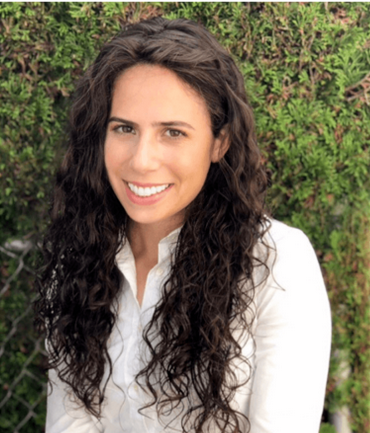
Hey there! I’m Rachelle, the host of the Understanding Disordered Eating Podcast. As a Licensed Mental Health Counselor, I work with clients to make sense of life’s messy emotional experiences.
I believe in the power of deep work and its positive impact on your life in the long term. Learn more about how we can work together here.
Sign up for my weekly newsletter for even more!
You can connect with me on Instagram, through my website or email me directly clicking the links below.
Subscribe & Leave A Review!
If you enjoyed this episode, you can show your support by leaving a review, subscribing, or sharing with someone who may need help. Click here to open this show in iTunes and leave a five star rating and review.