
What Am I Actually Hungry For?
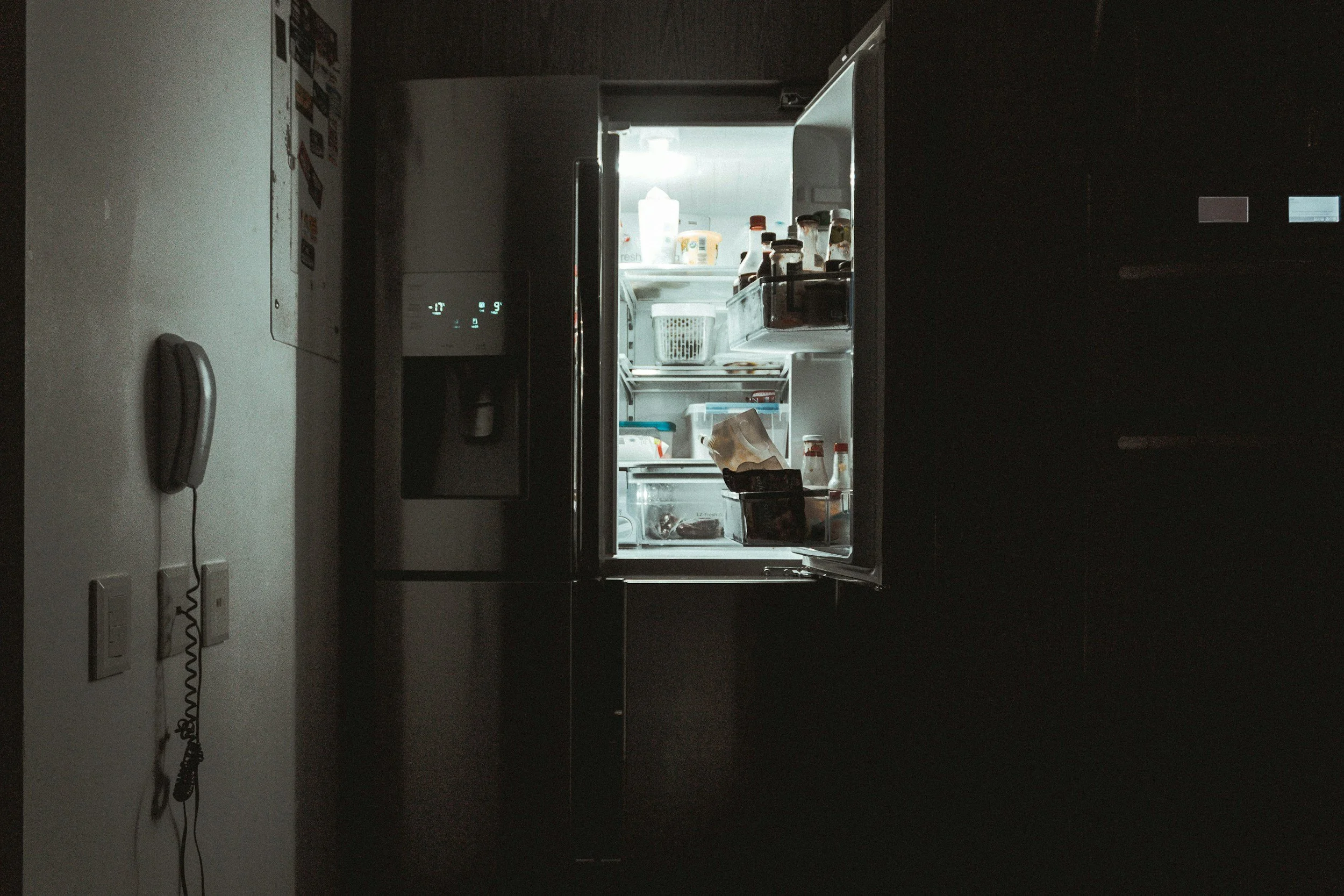
Have you ever found yourself standing in the kitchen at the end of the day, eating something you're not even enjoying, wondering what on earth you're doing?
You're not hungry. You're not really tasting the food. And yet somehow you're halfway through the bag thinking, "Seriously? Again?"
Listen to the Episode Now
If this post resonates with you or makes you feel something, share it with a friend! My hope is that we can keep this important conversation going long after the post is over.
Because apparently, food has volunteered itself to solve every problem. Stress? Food. Loneliness? Food. Boredom? Food. Existential crisis you can't quite put words to? Obviously food. It's efficient like that.
But what if the food isn't actually the problem?
In this episode, I'm talking about a question that sounds simple but can feel surprisingly hard to answer: What are you actually hungry for? Not in the physical sense, but underneath all of the eating, the urges, the restlessness, and the feeling that something is missing.
We're exploring why so many of us learned to disconnect from our wants and needs, how food became the safest and most reliable answer, and why recovery sometimes starts with a question instead of a solution.
In this episode, I'm talking about:
Why emotional eating often points to a deeper kind of hunger.
The question, "What am I actually hungry for?" and why it's harder to answer than you might think.
How many of us learned to disconnect from our wants and needs without even realizing it.
The subtle messages we received growing up that taught us it was safer to need less and ask for less.
Why food becomes such a reliable and immediate solution when everything else feels vague or unavailable.
The difference between physical hunger and metaphorical hunger.
How self-suppression usually shows up in quiet, everyday ways rather than dramatic moments.
Why unmet desires don't disappear just because we ignore them.
Different kinds of hunger that may be hiding underneath food, including:
Rest and permission to stop performing.
Feeling seen, known, and understood.
Having something to look forward to.
Feeling like yourself again.
Real intimacy and connection.
Why you're not necessarily eating because you want food, but because you're hungry for something that feels harder to name.
How food allows us to answer hunger without having to justify ourselves, negotiate, or make ourselves vulnerable.
A simple practice to begin noticing what's happening in those moments when food gets loud.
Why asking the question matters, even when you don't have an answer yet.
The discomfort of sitting with uncertainty instead of rushing to fix it.
What happens when you do know what you're hungry for, but still struggle to act on that knowledge.
Why knowing what you need and actually giving it to yourself are two very different processes.
How learning to recognize and honor your deeper hungers is an important part of eating disorder recovery.
If you've ever felt like there's something deeper going on but you can't quite name it, this conversation is for you.
Quotes
"When everything else feels kind of murky and vague or far away or impossible to ask for, food is literally right there."
"The thing about suppressing any kind of hunger, whether it's literal or metaphoric, is that it doesn't disappear."
"You're not eating because you want food, you're eating because you're hungry."
"The food happens to be the only thing that you're allowed to answer this particular question of what am I hungry for without negotiating, justifying, or making yourself smaller."
"Giving yourself the capacity to have the question and let the question hang out for a little bit is in and of itself what we're talking about."
"I think the question of ‘What are you hungry for?’ is probably the hardest question in this entire work of eating disorder recovery. Mostly because we've spent so long making sure we didn't have to ask it. You do not need the answer yet. You just need to start wondering."
Frequently Asked Questions
Why do I eat when I'm not hungry?
Many people eat for reasons that have nothing to do with physical hunger. Stress, loneliness, exhaustion, boredom, and unmet emotional needs can all contribute to eating when your body does not need food. Emotional eating is often a signal that something deeper is asking for attention.
What is emotional hunger?
Physical hunger has body signals attached to it — stomach growling, mouth watering, that physical pull. And when you're physically hungry, food in general sounds good. It's not that only one specific thing will do. But "emotional hunger" is a trickier concept than it sounds. The more useful question isn't which kind of hunger you're having — it's what the eating is doing for you. Food does something. It comforts, it soothes, it fills something. And that's not a problem to fix. That's worth getting curious about.
Why do I binge eat at night?
Nighttime binge eating is common because many people finally slow down at the end of the day. Emotions, stress, loneliness, exhaustion, or restriction that were pushed aside throughout the day or during the week often become harder to ignore in the evening.
Can emotional eating be a sign of unmet needs?
Yes. Emotional eating can sometimes reflect deeper needs such as rest, connection, intimacy, support, purpose, or the desire to feel seen and understood. Food may become the most available way to cope when those needs go unrecognized.
How do I know if I'm physically hungry or emotionally hungry?
Physical hunger tends to come on gradually and is satisfied by eating. Emotional hunger often feels sudden, urgent, and may persist even after eating. Learning to pause and ask yourself what you are truly needing can help you distinguish between the two.
Why do I struggle to know what I want?
Many people have spent years prioritizing others, suppressing emotions, or disconnecting from their own needs. Relearning how to identify what you want and need is a skill that develops over time and is an important part of healing.
Is emotional eating normal?
Yes. Emotional eating is a common human experience. Everyone uses food for comfort at times. Problems arise when food becomes the primary way to cope with emotions or when eating patterns create distress and interfere with daily life.
Resources
Be sure to sign up for my weekly newsletter!
Brave on Purpose! - Grab my new book here!
Looking for a speaker for an upcoming event? Let’s chat!
Now accepting new clients! Find out if we're a good fit!
Episodes Mentioned:
-Episode 73. Food and Desire with Dr. Judith Brisman
Related Episodes
Episode 162. Eating Disorders and Control
Newsletter update: If you’re not already signed up for my newsletter, then I’m not sure what you’re waiting for! I’m ✨obsessed ✨ with it. In an effort to keep things fun and fresh, we’re going to monthly newsletters rather than weekly. If you have any feedback on what you want to see in the newsletters, reply back to one or send me a message!
Grab my FREEBIE!: As you navigate recovery, you may be feeling like something is missing. You're doing a lot of work challenging yourself with the food, your body, and exercise. You're probably working on lots of other things at the same time, like stuff at work or relationship issues.
But, still, something doesn't feel like you're getting to the bottom of it. Grab my free journal prompts below and begin to work through the emotions of healing.

More From Rachelle
Hey there! I’m Rachelle, the host of the Understanding Disordered Eating Podcast. As a Licensed Mental Health Counselor, I work with clients to make sense of life’s messy emotional experiences.
I believe in the power of deep work and its positive impact on your life in the long term. Learn more about how we can work together here.
Sign up for my weekly newsletter for even more!
You can connect with me on Instagram, through my website or email me directly clicking the links below.
Subscribe & Leave A Review!
If you enjoyed this episode, you can show your support by leaving a review, subscribing, or sharing with someone who may need help. Click here to open this show in iTunes and leave a five star rating and review.