
What if we spent less time trying to get rid of eating disorder symptoms and more time understanding why they’re there in the first place?
I know, I know. We want the symptoms gone. We want to stop the restriction, the bingeing, the purging, and all the ways an eating disorder can take over someone’s life. And yes, addressing those behaviors matters. But what happens when we focus so much on changing the behavior that we miss the person behind it?
Listen to the Episode Now
If this post resonates with you or makes you feel something, share it with a friend! My hope is that we can keep this important conversation going long after the post is over.
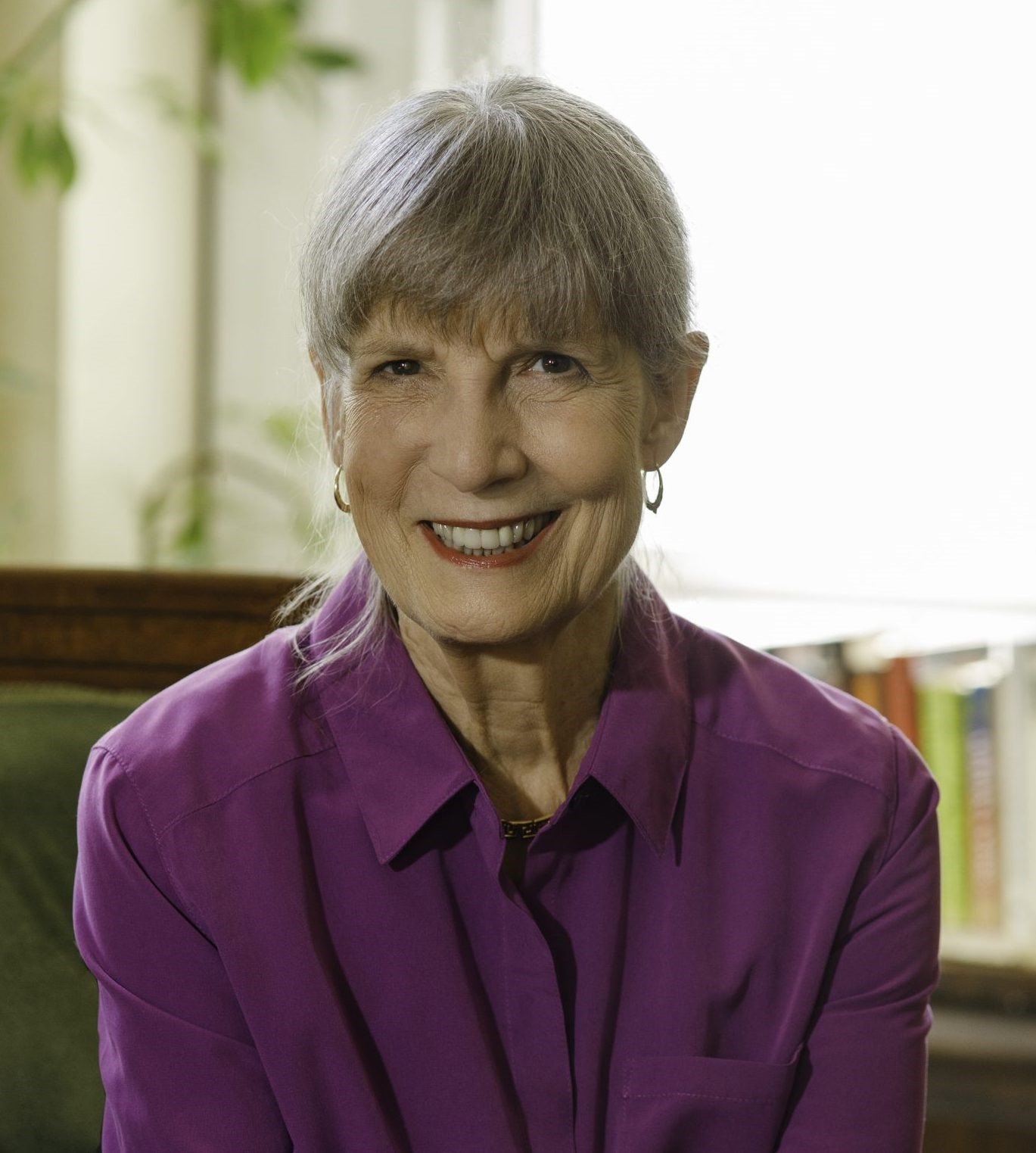
In this episode, I’m joined by Nancy McWilliams, psychologist, psychoanalyst, and author with more than 50 years of experience in psychotherapy. I’ve been reading her work for over a decade, so getting to have this conversation was a pretty big deal for me.
We talk about what eating disorders might be doing for someone emotionally, why food can become a way to manage feelings we don’t know how to name, and how early relationships can shape the way we experience food, control, and connection. We also get into why simply identifying a feeling doesn’t magically make it go away. Wouldn’t that be convenient?
Nancy shares her perspective on the importance of self-understanding, the role of the therapeutic relationship in recovery, and why meaningful change can take time. We also talk about what it means to build trust when you haven’t had many experiences that taught you people are safe to trust.
Whether you’re navigating your own relationship with food or working with people experiencing eating disorders, this conversation offers a lot to think about.
Nancy McWilliams, formerly at Rutgers University, practices in Lambertville, NJ. She has authored four textbooks on psychoanalytic topics and is co-editor of all editions of the Psychodynamic Diagnostic Manual. A former president of Division 39 of the American Psychological Association, she is on the Board of Trustees of the Austen Riggs Center. She has taught therapists in over 50 countries; her books are available in more than 20 languages.
This conversation is full of small, easy-to-digest pieces of a lifetime of work. Whether you’re a therapist, you’re struggling with food yourself, or you just want to understand why people do what they do, there’s something in here for you.
In this episode, we’re talking about:
Why focusing only on eating disorder symptoms can miss the deeper reasons someone is struggling.
The importance of balancing symptom reduction with understanding the person behind the symptoms.
How self-understanding can support lasting change, and why symptoms may return when someone is under stress.
Why eating disorders can serve different purposes for different people, including comfort, control, managing sadness, expressing anger, or coping with difficult emotions.
How shame can keep people from talking about their eating disorder, even with a therapist.
The connection between control, cultural expectations around appearance, and disordered eating.
How early experiences with caregivers and feeding can shape someone's relationship with food, autonomy, and control.
Why shared meals, connection, and the relational experience of eating matter.
How food can become a way to manage emotions when someone hasn't learned how to identify or express what they're feeling.
Why feeling “overwhelmed” doesn't necessarily tell us which emotions we're experiencing, and how developing more specific emotional language can help.
Why naming a feeling doesn't automatically make the discomfort disappear or change a behavior.
How therapy involves processing grief, accepting difficult experiences, and learning to live with what has happened.
Why trust develops through repeated experiences with someone who proves themselves trustworthy, rather than simply deciding to trust.
The role of the therapeutic relationship in recovery, including warmth, compassion, genuineness, and the ability to speak honestly without fear of judgment.
Why the specific type or brand of therapy may matter less than the quality of the relationship between the therapist and client.
How therapists can continue to make a meaningful difference even when progress is slow or someone isn't ready to make changes yet.
Why helping someone feel heard, understood, and safe can matter long after a therapy session ends.
How clinicians can use their own emotional reactions in sessions to better understand what a client might be experiencing.
Why therapists need to tolerate uncertainty, discomfort, and slow progress instead of rushing to fix every problem.
How clients can gradually internalize a therapist’s curiosity and learn to reflect on their own emotions and behavior.
Why genuine human connection can make a difference even when someone isn't ready for recovery or immediate change.
Quotes
“We have a lot of research now that shows how much patients want self-understanding, not just symptom reduction. And sometimes when you're successful at reducing symptoms, the patient gets under stress, and they don't know what to do, and they get the symptom back.” - Nancy McWilliams
“What matters to the patient is not the brand name of the therapy, it's the quality of the relationship.” - Nancy McWilliams
“If you're able to just help a person speak their truth, you're doing something positive for them. Maybe they won't be able to conquer their eating disorder this year. Maybe they'll have to bottom out in some way and come back in a couple of years, but they'll remember that you were kind and compassionate and that you weren't judgmental.” - Nancy McWilliams
“I think every time you make a genuine connection with another person, even if they couldn't use you at that time to move forward toward better mental health, it matters to them.” - Nancy McWilliams
“People are always on their phones, even if they're sitting around the same table. They're not actually eating together.” - Rachelle Heinemann
Frequently Asked Questions
1. What is psychodynamic therapy for eating disorders?
It’s a way of working that looks at what’s underneath the eating behaviors, like the emotions, relationships, and past experiences that might be driving them. Nancy explains that most people come to therapy wanting to understand themselves, not just reduce a symptom. The relationship with the therapist is a big part of the work.
2. Is focusing on eating disorder symptoms enough?
Sometimes it has to come first. Nancy is clear that if someone is in bad health, you work on getting them to eat. She also points out that when symptoms are reduced without understanding what’s behind them, they can come back under stress. Her take is that both matter.
3. Why do people develop eating disorders?
It’s different for everyone. Nancy shares examples like eating to feel soothed when a home wasn’t comforting, chasing thinness because of what the culture rewards, eating when angry or sad, and using food to feel in control when everything else feels out of control. Early experiences with feeding and family meals can also shape our relationship with food.
4. Is an eating disorder an addiction?
Nancy says parts of eating disorders look a lot like addictions, and similar brain processes get activated. She explains that psychoanalysts learned decades ago that with addictions, understanding yourself isn’t enough on its own. You have to focus on the behavior directly too.
5. Why do I use food to cope with my emotions?
When we weren’t given words for intense feelings, we often don’t know what we’re feeling. We just feel activated. Food can quiet that, whether it’s anger you don’t recognize as anger, anxiety, or sadness you don’t know how to grieve. Nancy shares a client who felt enraged after being criticized at the dinner table but only knew she felt terrible, and eating was what made her feel safe.
6. Why can’t I name what I’m feeling? Is “overwhelmed” a feeling?
According to Nancy, overwhelmed isn’t a feeling; it’s what we say when we don’t have words for one. Feelings sound like angry, sad, disappointed, resentful, or envious. She mentions a therapy program where adolescents were asked to name five feelings a day, and she describes the approach as helping enormously.
7. What makes therapy work for eating disorders?
Nancy points to the relationship, not the brand of therapy. Studies keep finding that therapist qualities like warmth, genuineness, hope, and compassion matter most. Trust takes time to build, especially for someone starting at zero, and that’s okay.
Resources
Be sure to sign up for my weekly newsletter!
Brave on Purpose! - Grab my new book here!
Looking for a speaker for an upcoming event? Let’s chat!
Now accepting new clients! Find out if we're a good fit!
Related Episodes
Episode 126. Lying, Deception, and Eating Disorders with Tom Wooldridge, PsyD, ABPP, FIPA, CEDS-S
Episode 171. Healing the Hidden Wounds of Disordered Eating with Dr. Katheryn Zerbe
Episode 107. The Rules of the Therapy Game with Dr. Dana Satir, CEDS
Episode 82. Secrets and Eating Disorders with Dr. Kathryn Zerbe
Episode 64. When Words Fail and Bodies Speak with Tom Wooldridge PsyD, ABPP, FIPA, CEDS-S
Episode 26. Eating Disorders and the Mind/Body Disconnect with Danielle Novack, Ph.D
Thank you to our sponsor! This episode includes paid endorsements and advertisements for products and services.
Therapists, listen up! What if the right EHR could transform the way you run your practice and meet needs you didn’t even know you had? With TherapyNotes, managing your practice gets a whole lot easier. It brings the tools you need together in one place, from customizable note templates and electronic claims to an integrated client portal and more.
And with TherapyFuel, their assistive AI suite, you can streamline time-consuming tasks with features for progress notes, session refreshers, and more, so you can spend less time catching up and more time focused on your clients. Plus, TherapyNotes Mobile brings the features you know and love right to your mobile device, so your practice can keep moving wherever your day takes you.
Unlimited support, smart features, and flexibility on the go. Now that’s practice management.
Use code UDE to get your first two months of TherapyNotes FREE.
Please note, this promotion is only valid for brand new TherapyNotes customers.
Sign up now! https://bit.ly/3Vyypvl
Promo Code: UDEz

Newsletter update: If you’re not already signed up for my newsletter, then I’m not sure what you’re waiting for! I’m ✨obsessed ✨ with it. In an effort to keep things fun and fresh, we’re going to monthly newsletters rather than weekly. If you have any feedback on what you want to see in the newsletters, reply back to one or send me a message!
Grab my FREEBIE!: As you navigate recovery, you may be feeling like something is missing. You're doing a lot of work challenging yourself with the food, your body, and exercise. You're probably working on lots of other things at the same time, like stuff at work or relationship issues.
But, still, something doesn't feel like you're getting to the bottom of it. Grab my free journal prompts below and begin to work through the emotions of healing.

More From Rachelle
Hey there! I’m Rachelle, the host of the Understanding Disordered Eating Podcast. As a Licensed Mental Health Counselor, I work with clients to make sense of life’s messy emotional experiences.
I believe in the power of deep work and its positive impact on your life in the long term. Learn more about how we can work together here.
Sign up for my weekly newsletter for even more!
You can connect with me on Instagram, through my website or email me directly clicking the links below.
Subscribe & Leave A Review!
If you enjoyed this episode, you can show your support by leaving a review, subscribing, or sharing with someone who may need help. Click here to open this show in iTunes and leave a five star rating and review.