

WELCOME TO THE PODCAST
Understanding Disordered Eating
LISTEN NOW
Understanding
Disordered Eating Podcast
Each week we explore the deeper meaning of our relationship with food and our body. I interview experts in the field of eating disorders and psychoanalysis to bring you the answers about why you do the things you do and bring you one step closer to a healthier relationship with food and yourself.

Fundamentally Disagree? The Key to Navigating Challenging Situations and Interactions with Jenna Hollenstein, MS, RD, CDN
Today we’re diving into something a little different: the dynamics of conversations themselves—specifically, how we’re terrible at them when things get heated. It’s about division, harm, and why we’re so quick to throw each other under the bus the second someone says the wrong thing. But more importantly, it’s about what comes next—repair, nuance, and figuring out how the heck we keep talking when everything feels broken.
In this episode, I’m joined by Jenna Hollenstein. Together, we’re talking about what’s happening in the field, how we navigate division, and what it looks like to move from conflict to connection.

FBT Do's and Don't with Suzannah Neufeld, MFT, CEDS-C
In this episode, I’m joined by Susannah Neufeld—a licensed psychotherapist, certified eating disorder specialist and consultant, author, and all-around badass about how FBT turns the chaos of food fights into moments of healing. Spoiler alert: it’s as heartwarming as it is messy.

Body Image is the Last to Go
Body image is complex, deeply personal, and tangled up in a lifetime of cultural, familial, and social messages. And newsflash—changing your body won’t magically deliver the love, confidence, and belonging you’re hoping for. If it did, then everyone with a so-called “ideal” body would be living in bliss, right?

Fatness Doesn't Mean What You Think with Chelsea Levy, RD
Let’s be real: there’s a lot of confusion surrounding weight, health, and chronic illnesses like diabetes and PCOS. And if you’re like me, you’re probably tired of hearing the same old, tired advice. There are so many mixed messages when it comes to health and body size. Especially this myth that being in a larger body means you’re unhealthy.

Why Your Doctor Doesn't Need to Weigh You with Dr. Mara Gordon
In this episode, we cut through the jargon and get real about why BMI and weight-centric health advice might be doing more harm than good. Dr. Gordon shares her experiences, both personal and professional, that led her to ditch the "lose weight" script and actually listen to her patients. Spoiler: turns out, telling someone in a larger body to “just lose weight” is about as helpful as reminding them to drink water.

Non-Food Eating Disorder Recovery Must Have
If you’ve ever stood on the brink of a party, heart racing, contemplating whether to take the plunge into a sea of social awkwardness, you’re in good company. I mean, who doesn’t love the thrill of risking utter humiliation over finger foods and small talk, right? Spoiler alert: I don’t.

Social Media and Eating Disorders with Lily Thrope, LCSW
Whether you are active on social media or not, it’s probably had an impact on your life in one way or another. Let’s be honest—most of us have a love-hate relationship with it, and it’s the same story when it comes to how it impacts our relationship with food and body image. But, hey, why delete Instagram when you can just add more stress to your life, right?

Caring Less About What Others Think
We’re talking about the age-old dilemma: caring way too much about what others think. And guess what? It’s not about magically not caring—because, spoiler alert, that’s just not human. Instead, we’re going to explore how to care in a way that doesn’t consume you and helps you navigate those tricky situations without becoming a people-pleasing puddle or a self-doubting wreck.

ADHD and Eating Disorders with Brittany Modell MS, RD, CDN
ADHD + a complicated relationship with food = a recipe for disaster. Am I right? If you’ve ever found yourself forgetting key ingredients at the grocery store or using snacks to calm your brain from its chaotic circus act. If you're nodding along and thinking, "Yep, that's me," then listen up.

Prevention with Marcy Forta
Flashback to your teenage years. What a blissful, uncomplicated time... said no one ever. Adolescence can be a confusing time—so confusing, in fact, that most of us can’t even make sense of our own teenage years even as adults. Prevention happens during these years, and because of that they are complicated.

Normal Moms and Disordered Eating
Calling moms everywhere: if you have ever found yourself standing in front of the fridge, starving but too tired to decide between a sandwich or just grabbing the entire pint of ice cream, then stick with me, because I’m talking to you.

Are Eating Disorders Considered Addictions? with Iris Epstein RD, CDCES, CEDS-S, CAI
It’s easy to think of eating disorders as, well, a disorder. But when we start to really dive into the nitty gritty, are they actually considered an addiction? We’ve all heard people throw the word “addiction” around casually, right? Like, "I'm addicted to coffee," or, "I’m addicted to this podcast" (which, let’s be real, you probably are). But what happens when we start talking about it in the context of serious eating disorders? That’s where things get a bit sticky. Spoiler: This isn’t the food addiction conversation.

The Problem With Our Culture and How To Change It with Michael Levine, Ph.D., FAED
How do we challenge cultural norms when society has a strong perception of how things “should” be? Cultural and environmental factors undeniably influence our understanding and experience of our relationship with food and our bodies. But, let’s reconsider them. This is an opportunity to examine how our personal, professional, and political actions can drive meaningful change.

Cliff Notes: Everything You Need to Know About Eating Disorder Treatment Before You Begin
The idea of eating disorder treatment can feel very overwhelming. If you aren’t sure where to start, then this episode is for you. Think of it as your crash course—because who doesn't love a good cliff notes version?

Substance Use and Eating Disorders with Sydney Greene
Have you ever noticed how sometimes substance use and eating disorders are intertwined? It turns out, these issues like to hang out together more often than not, complicating treatment and recovery. So, why do we keep these so separate in our conversations? There’s this illusion that some people can juggle their substance use with such precision. Spoiler alert: it's not as glamorous as it sounds.
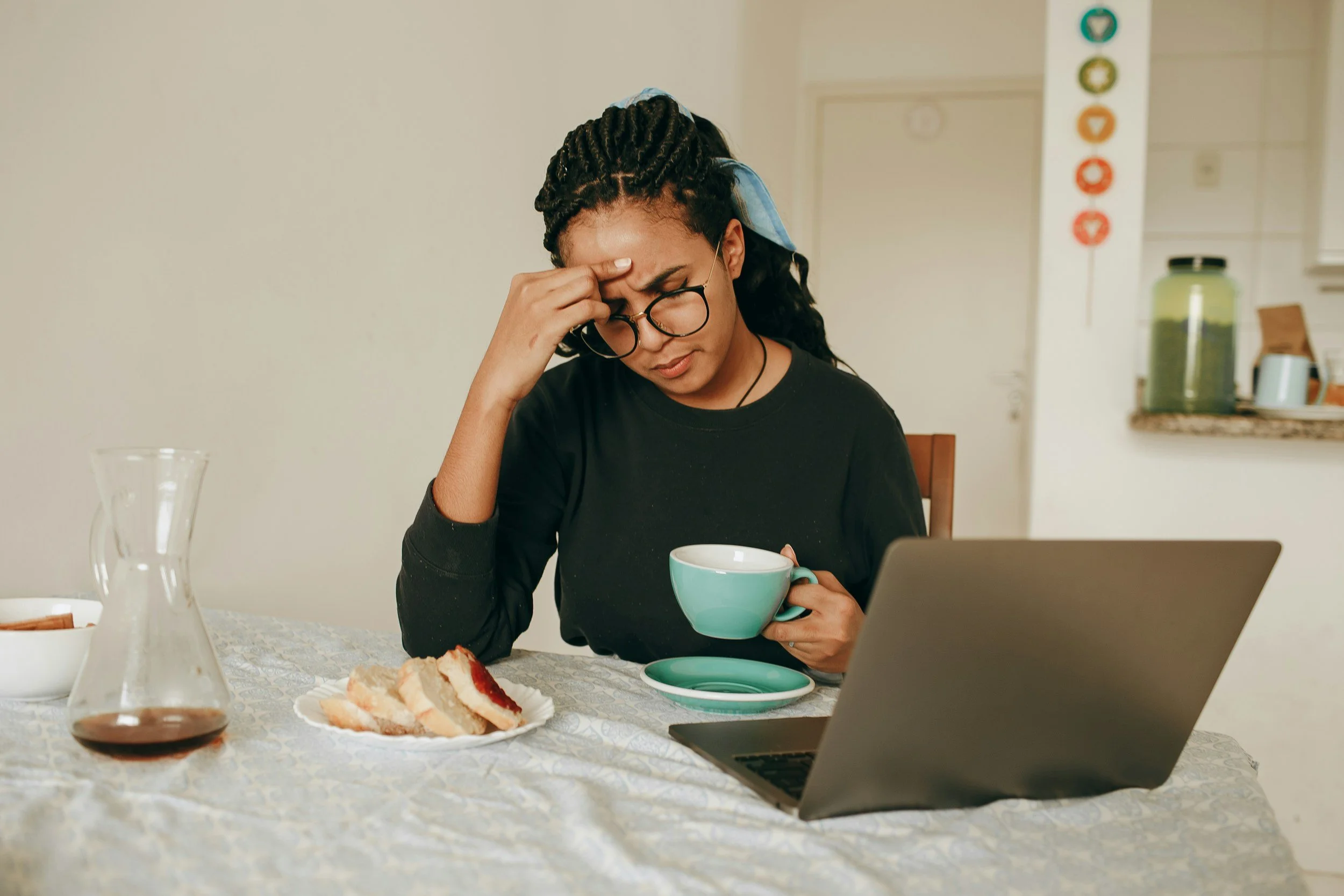
Eating Disorder Recovery Cannot Happen Without This
Here’s the thing: when you eat regularly and enough, a domino effect happens. Your food obsessions disappear, your physical health improves, and your focus, memory, and mood are back to a “normal” baseline.

Bariatric Surgery and Eating Disorders with Dr. Marianne Miller
Just last year, The American Academy of Pediatrics put out (terrible) guidelines, that in a nutshell, give the “go-ahead” to evaluate children for weight loss medication and/or surgery. Weight loss surgery is completely irreversible. So why is it being recommended? There are many challenges that individuals will face when deciding to undergo weight loss surgery. Not only the painful physical challenges but the mental and emotional ones as well.

How To Recover When Everyone Around You Is Dieting
Everyone seems to have an opinion, you've probably encountered unsolicited advice and opinions from well-meaning (or not-so-well-meaning) friends or family. But here's the thing – You are not on a mission to help them see the world the way that you do. You are not on a mission to help them understand intuitive eating and eating disorder recovery.

Medical Assistance In Dying and Eating Disorders with Dr. Anita Federici
But the question is, why is this a controversial topic? MAID is not a new construct. It has been utilized around the world with different controversies for many years as a way of ethically, compassionately, and humanely allowing people to have a dignified way of dying. In modern-day science or modern psychology, we don’t have a way to alleviate the suffering of someone who is battling a severe mental health condition. While I acknowledge that different medications serve their purposes, the question remains: why is there a difference between “mental illnesses” and “physical illnesses”? Is there even a difference?

How To Eat When You Don’t Feel Like It
I'm sure many of you have experienced this, especially after spending time with family during the holidays. Whether it's a recent struggle or an ongoing issue, the key question is why you don't want to eat. Yes, it might sound cliché, and you probably saw it coming from me, but it's crucial because your answer guides the approach.

Meet Your Host
Rachelle is a licensed mental health counselor, eating disorder and analytic therapist.
Rachelle works with clients in New York City and Brooklyn to make sense of life’s messy emotional experiences.